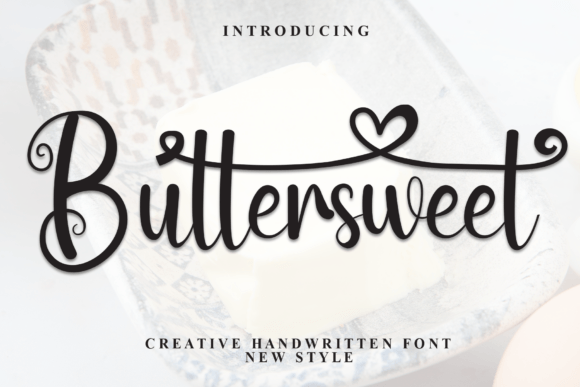
Buttersweet Font: A Warm & Playful Script for Wedding Invitations and Branding
Buttersweet for Wedding Invitations and Elegant Branding
As a brand designer who regularly works on boutique and lifestyle projects, I recently had the chance to test Buttersweet — a Script Handwritten font that delivers a unique blend of charm and personality. I first used it while drafting a logo for a local artisanal bakery looking to refresh their wedding favor packaging. The client wanted something that felt personal, a little whimsical, but still elegant. I opened a blank brand board and started sketching out ideas, and Buttersweet immediately caught my eye. It’s the kind of Fonts that feels handwritten but not messy, playful but not childish. Perfect for wedding invitations or a brand that wants to convey warmth and authenticity.
Testing Buttersweet in Real-World Branding Projects
I dropped Buttersweet into a logo concept and was surprised by how well it held up in different sizes and formats. On a small business card mockup, the letterforms remained distinct and legible, which isn’t always the case with handwritten display fonts. I also tested it on a packaging label for custom honey jars, and the font’s soft curves and natural rhythm gave the product a handmade, boutique feel. It’s definitely best suited for short-form text like taglines, product names, or event titles rather than long paragraphs. But for a greeting card line or a boutique brand name? It shines.
Pairing Buttersweet with Supporting Typefaces
One of the biggest challenges with a Script Handwritten font like Buttersweet is finding the right pairing. I used it as the headline font on a website header mockup and paired it with a clean sans-serif for the body text. The contrast worked beautifully — Buttersweet brought warmth and character, while the sans-serif grounded the design with modern simplicity. For print projects, I’ve had good results pairing it with a serif font for subheadings, especially when designing greeting card collections or boutique stationery sets. It’s a great display font when used intentionally and not overdone.
Using Buttersweet in Social Media and Web Design
I also tested Buttersweet in a few digital contexts — specifically, on Instagram story templates and a homepage hero section. In both cases, the font’s soft, flowing style added a sense of intimacy and approachability. On a lifestyle blog’s hero image, it paired well with a warm pastel background and helped draw the eye to the featured headline. On social media layouts, the script felt personal and handcrafted, which is perfect for creators or small businesses aiming to build emotional connections with their audience. Just be cautious about using it in very small text or in low-contrast settings — it can start to lose clarity.
What to Watch Out For When Using Buttersweet
While Buttersweet is a standout Fonts, it’s not a one-size-fits-all solution. It’s definitely more of a display font or accent font than a workhorse typeface. I wouldn’t recommend it for formal corporate branding or long-form editorial content. The script style, while charming, can become difficult to read in extended blocks of text. Also, if you’re designing for international audiences, double-check the multilingual support — some special characters might not render perfectly in all languages. And as always, make sure you have the proper commercial font licensing before using it in client work, especially for packaging, merchandise, or web assets.
Final Thoughts: A Heartfelt Font for the Right Project
Buttersweet is a Script Handwritten font that brings warmth, playfulness, and sincerity to the right design context. Whether you're creating wedding invitations, boutique packaging, or a cozy café brand identity, this font can be a powerful storytelling tool. It’s not overly stylized, and it doesn’t scream for attention — instead, it invites the viewer in with its gentle, friendly presence. I’d recommend it to any designer or small business owner looking to add a touch of personality without sacrificing readability or professionalism. Just remember to test it thoroughly in your intended use case, pair it thoughtfully, and always confirm licensing before final delivery.